Selling Land With Density Restrictions in Florida: What Property Owners Need to Know
Selling land with density restrictions in Florida often becomes complicated when buyers realize the property cannot support as many homes or units as expected. Density limits are a common zoning control used by local governments to manage growth, infrastructure, and land use, and they play a major role in determining a property’s development potential.
This guide explains how density restrictions work, how they impact value, and what Florida landowners should understand before selling.
What Are Density Restrictions?
Density restrictions limit how many residential units can be built on a parcel, usually expressed as units per acre or minimum lot size requirements. These rules are defined by zoning classifications and comprehensive plans at the local level.
Density rules often affect:
- Subdivision potential
- Multi-unit or residential development
- Future land use changes
- Buyer expectations for highest and best use
How Density Limits Impact Land Value
When land cannot be subdivided or developed at higher density, its market value may be lower than buyers initially expect. Properties that appear large enough for multiple homes may be restricted to a single residence or limited number of units.
This commonly results in:
- Reduced developer interest
- Longer marketing times
- Price adjustments during negotiations
When selling land with density restrictions in Florida, Sarasota County—particularly on barrier islands like Siesta Key—and Lee County, including areas such as Captiva Island, are widely regarded as having some of the most restrictive density regulations in the state. These coastal communities enforce low dwelling-unit-per-acre limits, strict comprehensive plans, and environmental protections designed to control overdevelopment, preserve evacuation capacity, and protect fragile ecosystems. In many cases, zoning and land-use policies in these areas severely limit the number of homes or units that can be built, regardless of lot size, making redevelopment or subdivision extremely challenging. As a result, landowners often find that even large parcels have limited build potential, which can significantly impact valuation and make selling land with density restrictions more complex without a clear understanding of local regulations.
Density Restrictions vs. Zoning Changes
Some buyers explore rezoning or density increases, but these processes are never guaranteed. Rezoning typically requires county approval, public hearings, and alignment with long-term planning goals.
Most buyers treat existing density limits as fixed and price land accordingly.
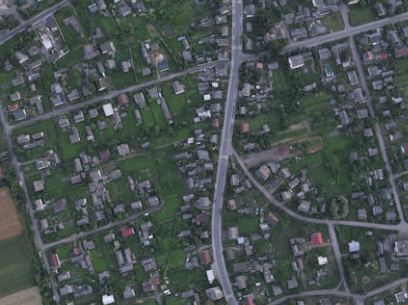
Selling Land With Density Restrictions in Florida
Land with density restrictions can still sell when expectations are clear and pricing reflects current zoning. Many successful sales involve buyers who plan to use the property within existing limits rather than attempting zoning changes.
Understanding density upfront helps prevent unrealistic assumptions and failed contracts.
Related Resource
Selling Land With Issues in Florida
This page is part of our broader resource on selling land with issues in Florida, which covers wetlands, zoning restrictions, protected wildlife, flood zones, failed perc tests, lack of access, set back restrictions and other factors that can affect land value and development. If your property has more than one issue, our main guide can help you better understand your options.
👇 Tell us about your property below
No obligation. No spam. Fast response.