Selling Land With Gopher Tortoises in Florida: What Owners Need to Know
Selling land with gopher tortoises in Florida can feel complicated, especially for property owners who discover the issue late in the selling process. Gopher tortoises are a protected species in Florida, and their presence on a property can affect development, buyer interest, and overall land value.
The good news is that selling land with gopher tortoises in Florida is still possible. However, it requires understanding how gopher tortoise protections work and how they influence what buyers can do with the land.
What Is a Gopher Tortoise?
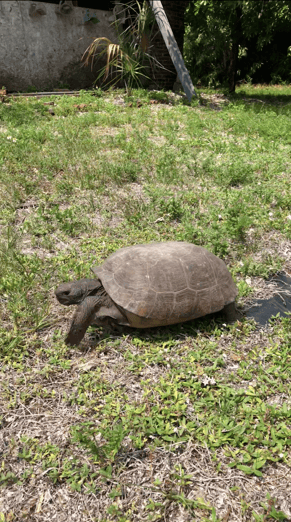
The gopher tortoise is a native Florida species known for creating deep burrows that provide shelter for hundreds of other animals.
Because of their ecological importance, gopher tortoises and their burrows are protected under Florida law.
Gopher tortoises are commonly found on:
- Vacant residential lots
- Rural acreage
- Sandy, well-drained soils
- Undeveloped land in growing areas
Their presence does not automatically prevent land from being sold, but it does affect how the land can be used.
Why Gopher Tortoises Matter When Selling Land
When selling land with gopher tortoises in Florida, the primary concern is development restriction, not ownership. State regulations prohibit harming, harassing, or destroying gopher tortoises or their burrows.
This means:
- Construction may be limited or delayed
- Buyers may need permits before building
- Mitigation requirements may apply
- Development costs may increase
As a result, many buyers factor these limitations into what they are willing to pay for the land.
How Gopher Tortoises Affect Land Value
Gopher tortoises can impact land value because they introduce additional cost, time, and uncertainty for future development. Even if building is allowed, buyers often need to account for:
- Surveys to locate burrows
- Coordination with wildlife regulations
- Possible mitigation or relocation requirements
- Reduced buildable area
For this reason, land with gopher tortoises is typically valued based on usable potential, not just total acreage. This is a key reason why pricing often needs to be adjusted when selling land with gopher tortoises in Florida. Pinellas County in Florida has one of the highest populations of Gopher Tortoises.
Can You Still Build on Land With Gopher Tortoises?
In some cases, yes — but it depends on:
- The number of burrows
- The location of the burrows on the property
- Local zoning and intended use
- Whether mitigation options are available
Some buyers choose to avoid land with gopher tortoises altogether, while others — especially experienced land buyers or developers — understand how to evaluate and manage the issue.
Common Challenges When Selling Land With Gopher Tortoises in Florida
Property owners often encounter challenges such as:
- Discovering gopher tortoises after a contract is signed
- Buyers backing out due to mitigation concerns
- Price renegotiations during due diligence
- Longer closing timelines
Most of these issues arise when gopher tortoises are identified late in the process, rather than upfront.
Selling Strategies for Land With Gopher Tortoises
A successful sale usually comes down to strategy, not elimination of the issue.
1. Be Transparent Early
Disclosing the presence of gopher tortoises upfront helps avoid failed contracts and builds trust with buyers who understand land issues.
2. Price the Land Realistically
Comparing your land to similar properties without gopher tortoises can lead to overpricing. Pricing should reflect development limitations and added buyer costs.
3. Market to the Right Buyers
Land with gopher tortoises often attracts:
- Land investors
- Builders experienced with environmental regulations
- Buyers seeking long-term holding property
Targeting the right audience increases the likelihood of a smoother transaction.
4. Avoid Unnecessary Upfront Costs
Many sellers consider mitigation or relocation before selling, but this is often expensive and not required to complete a sale. In many cases, buyers prefer to handle mitigation themselves based on their intended use.
Should You Fix the Gopher Tortoise Issue Before Selling?
In most situations, no. Attempting to resolve gopher tortoise issues before selling can be costly and may not increase the land’s value enough to justify the expense.
Instead, many landowners choose to sell the property as-is, allowing buyers to assess mitigation options based on their plans.
Final Thoughts on Selling Land With Gopher Tortoises in Florida
Selling land with gopher tortoises in Florida is not uncommon, especially in undeveloped and growing areas. While gopher tortoise protections can limit development and affect value, they do not prevent a sale.
Understanding the issue, pricing realistically, and being transparent from the beginning can significantly reduce delays and frustration.
Related Resource
Selling Land With Issues in Florida
This guide is part of our broader resource on selling land with issues in Florida, which covers common challenges such as wetlands, zoning restrictions, protected wildlife, flood zones, and other factors that can affect land value and development.
If your property has more than one issue, our main guide Selling Land with Issues in Florida can help you better understand your options.
👇 Tell us about your property below
No obligation. No spam. Fast response.