Selling Land With Poor Soil Conditions in Florida: What Property Owners Need to Know
Selling land with poor soil conditions in Florida is a common challenge, particularly for owners of vacant land, rural acreage, or property located in low-lying or previously undeveloped areas. Soil conditions play a major role in whether land can be built on, how it can be used, and how buyers evaluate its value.
While poor soil can limit development, selling land with poor soil conditions in Florida is still very possible. Understanding how soil quality affects land use and buyer expectations can help landowners avoid surprises and make informed decisions.
What Are Poor Soil Conditions?
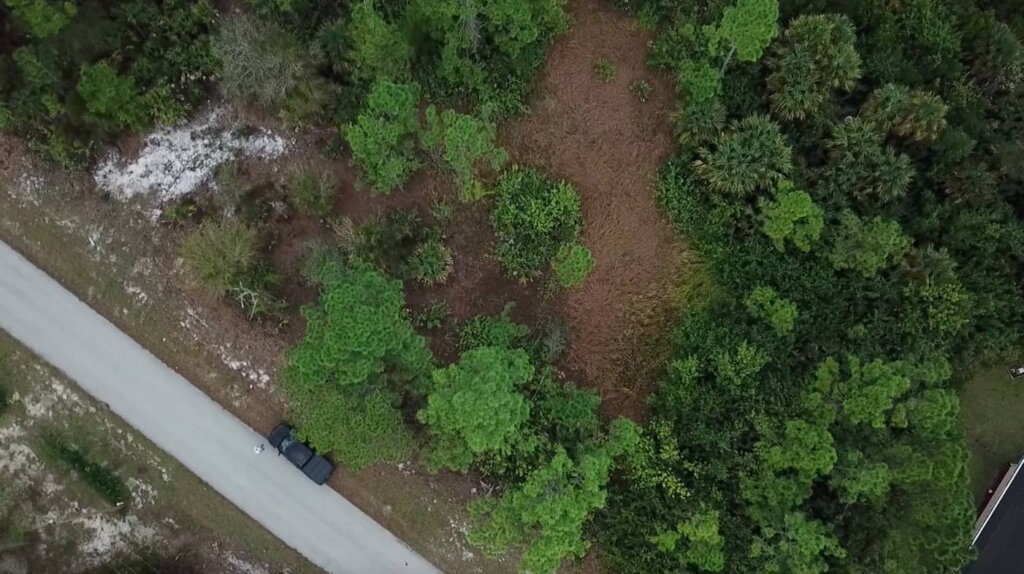
Poor soil conditions generally refer to soil that is unsuitable or costly to build on without significant preparation or engineering. In Florida, this often includes:
- Sandy or unstable soils
- Organic or muck soils
- Soils with poor drainage
- High water table conditions
- Soil that fails to support septic systems
These conditions are common in parts of Florida due to the state’s geography, wetlands, and coastal environment.
Why Soil Conditions Matter When Selling Land
When selling land with poor soil conditions in Florida, soil quality directly affects buildability and cost. Buyers consider whether the soil can support foundations, roads, septic systems, and drainage.
Poor soil conditions may:
- Require soil stabilization or fill
- Increase construction costs
- Limit the type of structures allowed
- Prevent septic system approval
Because of this, soil quality is often evaluated early in a buyer’s due diligence process.
How Poor Soil Conditions Affect Land Value
Land value is typically based on usable potential, not just acreage or location. When selling land with poor soil conditions in Florida, value may be affected by:
- Increased development costs
- Reduced buildable area
- Failed or difficult septic approval
- Higher engineering requirements
Properties with poor soil conditions often attract a narrower pool of buyers, which can further influence pricing.
Can You Still Build on Land With Poor Soil?
In some cases, yes — but it depends on:
- The specific soil type
- Intended use of the land
- Local permitting requirements
- Whether engineered solutions are feasible
Some buyers are willing to address poor soil through engineered foundations or alternative septic systems, while others may choose to avoid such properties altogether.
South Florida, particularly areas within Miami-Dade County and the surrounding Everglades region, is known for having some of the poorest soil conditions in Florida for development. Much of this region consists of shallow limestone bedrock, organic muck soils, and areas with a consistently high water table, all of which can make traditional foundations, drainage, and septic systems difficult or costly. These soil conditions often require specialized engineering, fill, or alternative building methods, which can significantly affect development feasibility, buyer interest, and land value when selling land in this part of the state.
Common Challenges When Selling Land With Poor Soil Conditions in Florida
Landowners frequently encounter challenges such as:
- Buyers backing out after soil testing
- Price renegotiations during due diligence
- Delays caused by failed septic or soil reports
- Confusion about what “poor soil” actually means for development
These issues most often arise when soil limitations are discovered late in the selling process.
Selling Strategies for Land With Poor Soil Conditions
Successfully selling land with poor soil conditions in Florida comes down to preparation and transparency.
1. Understand the Soil Limitations
Knowing whether soil affects drainage, foundation support, or septic approval helps set realistic expectations.
2. Be Transparent With Buyers
Disclosing known soil issues early helps attract buyers who understand land challenges and reduces failed contracts.
3. Price the Land Appropriately
Pricing land as if it has ideal soil conditions often leads to renegotiation. Pricing should reflect development limitations and buyer costs.
4. Avoid Unnecessary Upfront Expenses
Many sellers consider soil testing or engineering reports before selling, but these costs may not always be necessary. In many cases, buyers prefer to conduct their own testing based on intended use.
Should You Try to Improve Soil Conditions Before Selling?
In most cases, no. Improving soil conditions can be expensive and may not significantly increase land value. Actions such as adding fill, stabilizing soil, or pursuing engineered solutions are often best left to buyers who have specific development plans.
Selling the land as-is, with clear disclosure, is often the most practical approach.
Final Takeaways on Selling Land With Poor Soil Conditions in Florida
Selling land with poor soil conditions in Florida does not mean the land has no value. Soil limitations affect how the land can be used, who is interested in buying, and how it is priced — not whether it can be sold.
By understanding soil conditions, pricing realistically, and being transparent from the start, landowners can reduce delays and move forward with confidence.
Related Resource
Selling Land With Issues in Florida
This page is part of our broader resource on selling land with issues in Florida, which covers wetlands, zoning restrictions, protected wildlife, flood zones, failed perc test, lack of access, and other factors that can affect land value and development. If your property has more than one issue, our main guide can help you better understand your options.
👇 Tell us about your property below
No obligation. No spam. Fast response.