Selling Land With Protected Wildlife in Florida: What Property Owners Need to Know
Selling land with protected wildlife in Florida is a common challenge for landowners, especially those who own vacant or undeveloped property. Florida is home to a wide range of protected species, and when wildlife habitat is present, it can affect development potential, buyer interest, and overall land value.
While protected wildlife restrictions can complicate development, selling land with protected wildlife in Florida is still possible. Understanding how these protections work and how buyers evaluate them can help landowners avoid surprises and move forward with confidence.
What Does “Protected Wildlife” Mean in Florida?
Protected wildlife refers to animal species that are safeguarded under state or federal regulations due to declining populations, habitat loss, or ecological importance. These protections are designed to prevent harm, harassment, or destruction of both the species and their habitats.
In Florida, protected wildlife may include species such as:
- Gopher tortoises
- Burrowing owls
- Florida scrub jays
- Certain nesting birds and amphibians
- Species associated with wetlands or conservation areas
When selling land with protected wildlife in Florida, the presence of these species does not transfer responsibility to the seller — but it does influence how the land can be used.
Why Protected Wildlife Matters When Selling Land
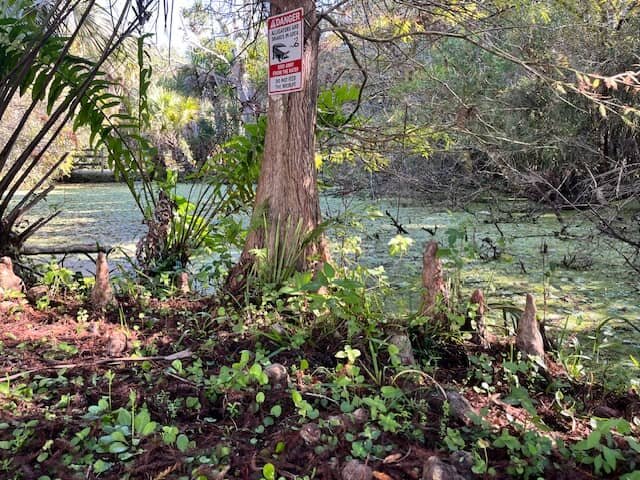
Protected wildlife primarily affects development and land use, not ownership. Regulations often restrict activities such as clearing, grading, or building in areas where protected species or habitats are present.
This can lead to:
- Required buffers or setback zones
- Reduced buildable footprint
- Seasonal restrictions on construction
- Additional permitting or surveys
As a result, buyers may face increased costs or longer timelines, which directly impacts how land is priced and marketed.
How Protected Wildlife Affects Land Value
When selling land with protected wildlife in Florida, land value is typically based on what can realistically be done with the property, not just acreage or location.
Protected wildlife can affect value by:
- Limiting development density
- Increasing buyer due diligence costs
- Narrowing the pool of interested buyers
- Introducing uncertainty around future use
Land with protected wildlife often attracts buyers who are familiar with environmental regulations, such as investors or experienced developers, rather than retail buyers looking for quick construction.
Can You Still Build on Land With Protected Wildlife?
In some cases, yes — but it depends on:
- The species present
- The location of habitat on the property
- Local zoning and intended use
- Whether mitigation or management options exist
Some buyers may choose to avoid land with protected wildlife altogether, while others are comfortable navigating the regulatory process. This difference in buyer perspective is why pricing and marketing strategy are critical.
Common Challenges When Selling Land With Protected Wildlife
Landowners frequently encounter challenges such as:
- Discovering wildlife restrictions late in the selling process
- Buyers renegotiating price during due diligence
- Confusion about what is allowed versus prohibited
- Extended closing timelines
Most failed transactions occur when wildlife issues are uncovered after a property is under contract rather than disclosed upfront.
Selling Strategies for Land With Protected Wildlife
Successfully selling land with protected wildlife in Florida is less about removing the issue and more about managing expectations.
1. Be Transparent From the Start
Disclosing known wildlife issues early builds trust and reduces the risk of contract cancellations.
2. Price Based on Usable Potential
Comparing your property to land without wildlife restrictions can lead to overpricing. Pricing should reflect development limitations and buyer risk.
3. Target the Right Buyers
Land with protected wildlife often sells best to:
- Land investors
- Developers experienced with environmental regulations
- Buyers holding land long-term
4. Avoid Unnecessary Upfront Expenses
Attempting mitigation or wildlife relocation before selling can be costly and is often not required. Many buyers prefer to evaluate these options themselves.
Florida is home to a wide range of protected wildlife, but Collier County Florida is often recognized as one of the most environmentally regulated areas in the state. Due to its proximity to the Everglades, extensive wetlands, and large conservation preserves, landowners in Collier County are more likely to encounter protected wildlife habitat when selling land. These protections can limit development, affect usable acreage, and influence land value, making it especially important for property owners in this area to understand how protected wildlife impacts selling options.
Should You Fix Wildlife Issues Before Selling?
In most cases, no. Wildlife protections are regulated, and unauthorized actions can create legal and financial risk. Attempting to “fix” the issue may not increase land value enough to justify the cost.
Selling the property as-is, with full disclosure, is often the most practical approach.
Selling land with protected wildlife in Florida can feel overwhelming, but it does not prevent a sale. Wildlife restrictions affect how land is used, how it is priced, and which buyers are interested — not whether the land can be sold.
By understanding the issue, pricing realistically, and being transparent with buyers, landowners can reduce delays and avoid unnecessary frustration.
Related Resource
Selling Land With Issues in Florida
This page is part of our broader resource on selling land with issues in Florida, which covers wetlands, zoning restrictions, protected wildlife, flood zones, and other factors that can affect land value and development. If your property has more than one issue, our main guide can help you better understand your options.
👇 Tell us about your property below
No obligation. No spam. Fast response.