
Selling Land With Wetlands in Florida: What Landowners Need to Know
Selling Land With Wetlands in Florida: How to Sell, What to Expect, and How Wetlands Affect Value and Use.
Selling land in Florida can be straightforward — unless your property contains wetlands. Florida’s wetlands are environmentally sensitive areas protected by both state and federal laws, and this impacts how buyers, developers, and investors view your property. In this guide, we explain what wetlands are, how they affect land value and sellability, and practical strategies if you are planning on selling land with wetlands in Florida.
In the video above, we explain how wetlands affect selling land in Florida, including how wetland regulations can limit development, reduce usable acreage, and influence overall property value. This topic is part of a broader set of challenges landowners face when selling land with environmental or regulatory restrictions. If your property has more than one issue, our main guide on selling land with issues in Florida provides a comprehensive overview of what to expect and how different land conditions can impact your selling options.
What Are Wetlands?
Wetlands are areas where the ground is saturated with water long enough to support water-loving plants and unique soil conditions. In Florida, these include swamps, marshes, bayheads, cypress trees and mangrove areas. These ecosystems play key roles in flood control, water purification, and wildlife habitat — which is why they are regulated.
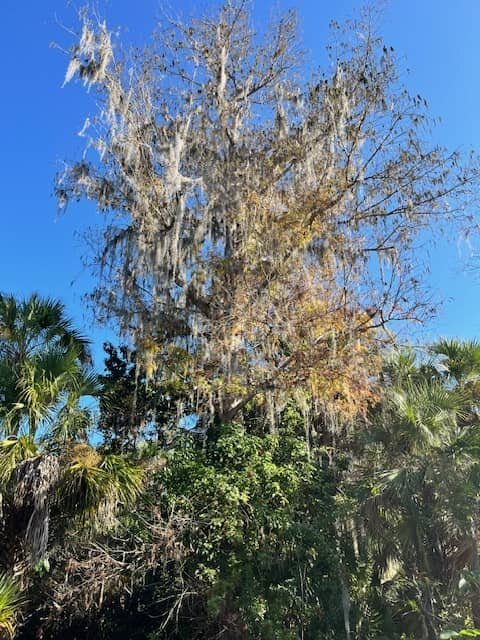
Take for example the photo below of a massive Florida cypress tree, commonly known as a bald cypress (Taxodium distichum) and pond cypress (Taxodium ascendens) — are iconic wetland trees found in swamps, strands, and other water-saturated areas throughout Florida. These trees are highly adapted to living in standing water and waterlogged soils, with specialized roots and structures that help them tolerate flooding and contribute to the formation of cypress domes and strands. Cypress ecosystems support a rich diversity of wildlife by providing shelter, nesting sites, and food, and they also help regulate water flow, slow floodwaters, and improve water quality by trapping sediments and pollutants.
While cypress trees themselves are not universally “protected” by a single state law, they are often associated with wetland environments that are regulated at both the state and federal level. Removing or significantly altering trees in wetlands can require permits because of the broader protection of wetland ecosystems under environmental regulations.
Why Wetlands Matter When Selling Land
Wetlands matter when selling land because they often limit how a property can be developed or used.
In Florida, wetlands are protected by state and federal regulations, which can restrict building, reduce the amount of usable acreage, or require permits and mitigation.
As a result, land with wetlands is typically valued based on what can legally be done with it, not just total acreage, which can affect both buyer demand and overall market value.
Wetlands Can Limit Development
Land that contains wetlands often has restrictions on how it can be used, built on, or the amount of square feet allowable for development.
In many cases, building structures, subdivisions, or other improvements may require special permits, costly mitigation or simply may not be allowed. This means:
- Lower buyer demand
- Reduced buildable acreage
- Increased time to sell
They Affect Land Value
A wetland designation often reduces the usable land for development. Buyers typically pay less for acreage that is partially or entirely wetlands because:
- They can’t build without costly permitting
- Functional wetlands reduce developable area
- Buyers see more risk and complexity
For example, a property we had in contract in Lee County in Bonita Springs Florida was almost 100% wetland. The allowable buildable space with mitigation on an acre of land was less than 20%. After mitigation costs as well as the amount of unusable land, we were able to make an offer, but the price was very low due to these factors. The seller didn’t like that as they thought their land was more valuable than it was due to size and unfortunately, this isn’t the case…
Do You Have to Disclose Wetlands to a Buyer?
Selling Land With Wetlands in Florida, owners must disclose known material facts that affect property value, even if a formal disclosure form isn’t legally required for vacant land.
This means if you know your property contains wetlands or regulatory restrictions that impact what can be done with the land, it’s wise to disclose it; failing to do so could lead to claims of misrepresentation.
How to Identify Wetlands on Your Property
When selling land with wetland in Florida, understanding your property’s topography early can save time, frustration, and price renegotiations. Wetlands are often discovered during due diligence, and when they are, land values may need to be adjusted to reflect reduced buildable area.
To avoid surprises:
- Use county and state wetland mapping tools for preliminary research
- Review publicly available wetland map layers to understand potential restrictions
- Consider a professional wetland delineation survey for precise boundaries
Having this information upfront gives buyers a realistic view of the property, reduces uncertainty, and can help the sale move forward more smoothly.
Selling Strategies for Land With Wetlands
When selling land with wetlands, the right strategy focuses on realistic pricing, proper positioning, and clear communication from the start.
Price It Realistically
Properties with wetlands are typically valued lower than fully upland tracts because of limited development potential and additional regulatory hurdles for buyers. Think about it… Would you want to buy a piece of land at retail value that you have to work with environmental agencies to build what you want and also on a much smaller level?
Market the Property Strategically
Not all buyers see wetlands as a drawback:
- Conservation buyers
- Outdoor recreation enthusiasts
- Buyers interested in hunting, fishing, or natural privacy
- Investors who understand mitigation or conservation incentives
Emphasizing opportunities and transparency can expand your buyer pool. A lot of this will have to do with the overall size of the property and other factors like if it’s in a Flood Zone and constantly holds water.
Consider Mitigation or Credits
Florida has systems like wetland mitigation banking and credits, which allow some landowners or developers to offset wetland loss elsewhere. While this is more complex and often buyer-driven, it’s useful to understand when marketing larger tracts. Finding a buyer in need of mitigation credits, many times will be willing to close fast!
Be Transparent
Clear disclosures about wetlands, even when selling “as-is,” improve buyer trust and protect you legally. A buyer who understands restrictions upfront is less likely to walk away later. So, our recommendation when you are Selling Land With Wetlands in Florida is disclose, disclose, disclose.
Can You Sell Wetlands to the State of Florida?
In some cases, Florida’s Division of State Lands may be interested in buying conservation property, including wetlands that are part of an approved acquisition list (like Florida Forever projects). Owners can contact the Bureau of Real Estate Services to explore this option.
Selling Land With Issues in Florida
This guide is part of our broader resource on selling land with issues in Florida, which covers common challenges such as wetlands, zoning restrictions, protected wildlife, flood zones, and other factors that can affect land value and development. If your property has more than one issue, our main guide can help you better understand your options.
👇 Tell us about your property below
No obligation. No spam. Fast response.