How Big is 100 Acres?
Have you ever wondered, “How big is 100 acres?” Whether you’re planning to buy land, fascinated by vast stretches of property, or just curious about land measurements, understanding the size of 100 acres is essential.
This blog aims to shed light on this topic, providing a detailed explanation of “How big is 100 acres?” in various practical and relatable ways.
From comparing it to familiar landmarks to breaking it down into manageable visualizations, we’ll cover everything you need to know to grasp the immense size of 100 acres.
Land investors like Steve Daria and Joleigh have often utilized their understanding of land measurements to make informed decisions. They frequently leverage the knowledge of how vast 100 acres are to evaluate potential investments. By comparing 100 acres to well-known landmarks and employing practical visualizations, Steve and Joleigh can better grasp the potential of such a significant property size.
Own land in Florida? Whether it’s 1 acre or 1,000 — find out what
it’s worth in today’s market. 👉 Get your free cash offer here 👈
The Basics of Acre Measurement
An acre is a unit of area commonly used in the United States to measure large plots of land, especially in real estate and agriculture.
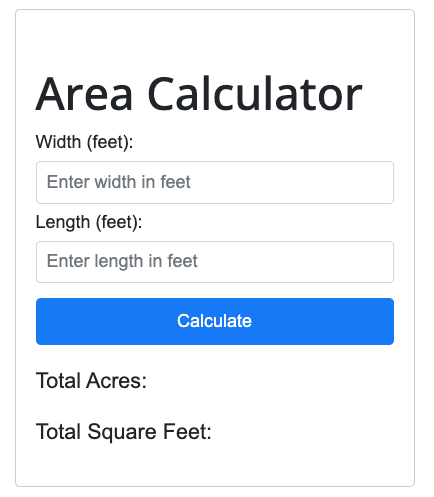
One acre is equal to 43,560 square feet, which can help visualize its size in more familiar terms. If you would like to calculate your own acreage, feel free to use our simple Acreage Calculator ☜
Visual Comparisons to Grasp the Size
Understanding the sheer size of 100 acres can be challenging. Here are some common visuals:
- Football Fields: Approximately 75.6 football fields.
- City Blocks: Roughly 7.5 city blocks in New York City.
- Square Miles: About 0.156 square miles, or 1/6th of a square mile.
Historical and Modern Uses
Historically, 100 acres were considered a substantial plot for farming and homesteading, providing ample space for crops, livestock, and family living.
In modern times, 100 acres are often utilized for various purposes, such as large estates, where the land is used for residential, recreational, and agricultural activities.
Additionally, 100-acre plots are seen in commercial developments, serving as the foundation for shopping centers, industrial parks, and conservation lands, where the focus is on preserving natural habitats and biodiversity.
The Potential of Owning 100 Acres
How big is 100 acres? Explore the potential of owning one:
Investment Value
For real estate investors, 100 acres offers vast potential.
It can be subdivided for residential development, leased for agriculture, or held as a long-term investment.
The value of 100 acres can vary based on location, zoning laws, and market conditions.
Agricultural Uses
One of the traditional uses for 100 acres is farming.
With modern agricultural techniques, a 100-acre farm can produce substantial yields.
Whether it’s crops, livestock, or a combination, the land can provide significant income.
Recreational Opportunities
For those interested in recreation, 100 acres offers endless possibilities.
Think hunting, fishing, hiking, or even establishing a private retreat.
The space allows for multiple activities without overcrowding.
Looking to sell your land in Florida?
We buy vacant land for cash across Florida — no commissions, no fees, and we close fast. 👉 Get your cash offer here: https://www.cashforlandfl.com/
👇 Tell us about your property below
No obligation. No spam. Fast response.
Strategies for Maximizing 100 Acres
How big is 100 acres? Here are the strategies for maximizing it:
Zoning and Development
Understanding local zoning laws is crucial.
Zoning will dictate the limitations you have with your land.
For example, some areas might be zoned exclusively for agriculture, while others may allow for residential or commercial development.
Subdivision for Profit
One popular strategy is to subdivide the land.
By creating smaller plots, you can sell them individually at a higher price per acre.
This approach can significantly increase your return on investment.
Sustainable Practices
Practicing sustainable practices not only helps the environment but can also enhance the value of your land.
Methods like crop rotation, organic farming, and conservation easements can make your property more attractive to conscious buyers.
Tips for Prospective Buyers
How big is 100 acres? Explore these essential tips for buyers:
- Research Thoroughly: Before purchasing 100 acres, conduct thorough research. Understand the local market, zoning laws, and potential uses for the land. This due diligence will help you make a proper decision.
- Consult Professionals: Engage with real estate agents, surveyors, and legal experts. Their knowledge can provide valuable insights and help you avoid costly mistakes.
- Plan for the Future: Consider your long-term goals. Whether it’s investment, agriculture, or recreation, having a clear vision will guide your decisions and maximize the land’s potential.
The Impact of Location on 100 Acres
How big is 100 acres? Explore the impact of location on 100 acres:
- Urban vs. Rural Settings: The value and potential uses of 100 acres can vary vastly between urban and rural settings. In urban areas, the land might be more valuable for development, while in rural areas, it might be better suited for agriculture or conservation.
- Climate Considerations: The climate of the area can also impact the land’s use. For example, 100 acres in a temperate climate might be ideal for farming, while in a desert climate, it might be more suited for solar energy projects.
- Accessibility and Infrastructure: Proximity to roads, utilities, and other infrastructure can significantly affect the usability and value of 100 acres. Ensure the land has the necessary access and amenities for your intended use.
Frequently Asked Questions
How big is 100 acres? Explore the most common queries:
Is 100 Acres Considered a Large Plot?
Yes, 100 acres is generally considered a large plot of land.
It offers ample space for a variety of uses and provides opportunities that smaller parcels cannot.
How Much Does 100 Acres Cost?
The cost of 100 acres can vary widely.
Factors include location, land quality, and current market demand.
In rural areas, 100 acres might be relatively affordable, while in more developed regions, the price can be significantly higher.
What Are the Maintenance Requirements?
Maintaining 100 acres requires effort and resources.
Depending on its use, you may need to invest in fencing, utilities, road maintenance, and land management practices.
Florida Land Buyers
Owning 100 acres of land is both a unique opportunity and a significant responsibility. Whether you’re looking to invest, farm, or simply enjoy the vast open space, understanding the potential and challenges of 100 acres is crucial.
With the right strategies and a clear vision, you can maximize the value and enjoyment of your property.
If you are in the market to sell your acreage in Florida, consider reaching out to Steve & Joleigh to get you a valuation and potential offer on your land today! Also be sure to check out our page Selling Land with Issues in Florida or our Land Selling Guide.
**NOTICE: Please note that the content presented in this post is intended solely for informational and educational purposes. It should not be construed as legal or financial advice or relied upon as a replacement for consultation with a qualified attorney or CPA. For specific guidance on legal or financial matters, readers are encouraged to seek professional assistance from an attorney, CPA, or other appropriate professional regarding the subject matter.