
Determining the right well depth for your Florida property is crucial, as the answer depends heavily on your location and intended use. The question of “How deep of a well do you need to drill?” has a wide range of answers. For basic irrigation, some areas allow for shallow sand-point wells, typically around 20 to 50 feet deep; however, for safe drinking water, you must go much deeper. Most residential wells in Florida tap into the Floridan aquifer and typically range in depth from 100 to over 400 feet, with variations by county to ensure the delivery of high-quality water. In coastal zones, wells often require deeper casings to prevent saltwater intrusion, adding another layer of complexity. No matter the depth, the process requires permits, professional water testing, and the expertise of a licensed driller. Understanding these local factors is key, which is why consulting with experts like renowned real estate investors and cash land buyers Steve Daria and Joleigh can simplify your decision-making process. They can help you evaluate your property’s potential and understand what’s involved with the question of “How deep of a well do you need to drill in Florida?” If you need guidance or want to explore a no-obligation cash offer for your land, book a free discussion with us today.
👉Already own Florida land? Find out what it’s worth →👈
Key Points
- Well Use and Depth: Understand that irrigation wells can be shallow, typically ranging from 20 to 50 feet, to access groundwater. For safe drinking water, you must drill much deeper to reach the Floridan aquifer, typically ranging from 100 to over 400 feet.
- Aquifer and Geology: Realize that well depth depends heavily on your county’s specific geology and the depth of the local aquifer. North Florida’s geology differs greatly from South Florida’s, meaning your neighbor’s well depth might not apply to your property.
- Water Quality and Coastal Risks: Consider water quality, especially near the coast, where saltwater intrusion is a significant risk. To avoid brackish water, coastal wells often require deeper drilling and more extensive casing to seal off the upper, salt-contaminated zones.
- Permits and Regulations: Account for mandatory state and county permits required for new well construction. You must use a licensed driller, and the final well will need to pass a water quality test before it can be used for drinking.
- Cost and Time Factors: Prepare for costs and timelines that increase with depth, as deeper wells require more materials, labor, and time to drill. The amount of casing required to stabilize the wellbore and protect water quality is a significant component of the final price.
Why Know the Depth?
Understanding “How deep of a well you need to drill in Florida?” is crucial for several reasons.
First, it ensures an adequate water supply for your needs.
Second, knowing the depth can save you time and money.
Drilling too deep when it’s unnecessary can inflate costs, whereas not drilling deep enough can lead to inadequate water quality or quantity.
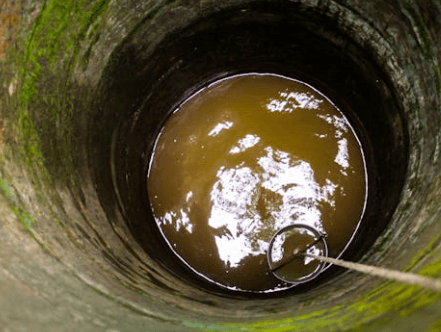
What Influences the Depth of a Well?
How deep of a well do you need to drill? Several factors determine how deep a well you need to drill in Florida. These include:
Geological Formations
Florida’s geology varies significantly across the state, with different regions having distinct geological formations.
These variations affect water availability and the depth at which water can be found, making it essential to understand the local geology before drilling a well.
Local Water Table
The local water table in Florida fluctuates based on several factors, including seasonal changes, weather patterns, and human activities such as irrigation and construction.
Understanding these fluctuations is crucial for determining the appropriate depth to drill a well to ensure a reliable water supply.
Water Quality Requirements
Deeper wells often provide cleaner water because they are less likely to be contaminated by surface pollutants.
Drilling to greater depths can help access aquifers with higher-quality water, which is essential for safe drinking and other uses.
Intended Use
The depth of the well needed in Florida also depends on its intended use, whether for residential, agricultural, or industrial purposes.
Different uses may require varying water quantities and quality, influencing how deep the well needs to be drilled to meet specific needs.
👇 Tell us about your property below
No obligation. No spam. Fast response.
Benefits of Having a Well
Having a well offers numerous benefits:
- Cost Savings: Reduced reliance on municipal water can lower utility bills.
- Water Quality: Access to high-quality groundwater.
- Independence: Greater control over your water supply.
Geological Formations in Florida
Florida is characterized by its distinctive geological formations, including limestone and karst topography, which play a crucial role in determining the depth of wells.
The state’s limestone formations are highly porous and can host extensive underground water reservoirs known as aquifers.
However, these aquifers are not uniformly distributed, making the process of locating them complex and often requiring specialized drilling techniques.
Karst topography, which includes features like sinkholes and underground caves, can further complicate well drilling due to its unpredictable and varied subsurface conditions.
Understanding the Water Table
The water table is the upper level of an underground surface where the soil or rocks are permanently saturated with water.
In Florida, the water table can be quite close to the surface in some areas.
However, it fluctuates seasonally and can be affected by droughts and heavy rainfall.
Surface Water vs. Groundwater
It’s essential to differentiate between surface water and groundwater.
Surface water includes lakes, rivers, and ponds, while groundwater is found underground in aquifers.
For well drilling, you’re concerned with groundwater, which requires drilling through various layers of soil and rock.
Types of Wells
How deep of a well do you need to drill? There are different types of wells you can drill, each with varying depths:
- Shallow Wells: Typically 25-50 feet deep, suitable for areas with a high water table.
- Intermediate Wells: Between 50-150 feet deep, offering better water quality.
- Deep Wells: Over 150 feet deep, ideal for accessing confined aquifers and ensuring high water quality.
Steps to Determine Well Depth
How deep of a well do you need to drill? Determining how deep of a well you need to drill in Florida involves several steps:
- Conduct a Site Survey: Hire a professional to conduct a land survey and identify the best drilling spot.
- Analyze Geological Data: Review local geological surveys and water table data.
- Consult Local Experts: Speak with local well drillers who have experience in your area.
- Test Drill: Consider a test drill to gauge water availability and quality at different depths.
Common Challenges
Drilling a well in Florida comes with its challenges:
- Saltwater Intrusion: Coastal areas may face saltwater intrusion, requiring deeper wells.
- Contaminants: Shallow wells are more susceptible to contamination from surface activities.
- Hard Rock Layers: Some areas have hard rock layers that can complicate drilling.
Strategies for Successful Well Drilling
To ensure successful well drilling, consider the following strategies:
- Hire Experienced Drillers: Expertise matters. Choose drillers familiar with Florida’s geology.
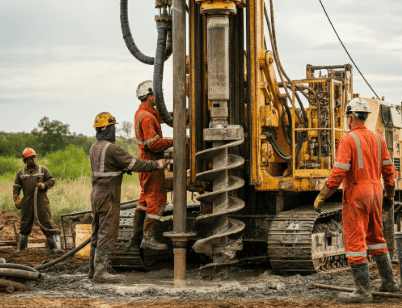
- Use Advanced Technology: Modern drilling rigs and techniques can make the process more efficient.
- Regular Maintenance: Once the well is drilled, regular maintenance is crucial for longevity and water quality.
Frequently Asked Questions
How deep of a well do you need to drill in Florida? Explore the most common queries:
How Much Does It Cost?
The cost of drilling a well in Florida varies based on depth, location, and geological conditions.
On average, you can expect to pay between $30 to $50 per foot of depth.
How Long Does It Take?
The time required to drill a well depends on various factors, including depth and geological conditions.
On average, it takes 1-3 days for a typical residential well.
Can I Drill My Own Well?
While it’s technically possible to drill your own well, it’s not advisable due to the complexity and potential legal requirements.
Hiring a professional ensures the job is done correctly and safely.
Own land without utilities that you’re ready to sell? We buy Florida land with no utilities, no well, and no septic — get a free cash offer →
**NOTICE: Please note that the content presented in this post is intended solely for informational and educational purposes. It should not be construed as legal or financial advice or relied upon as a replacement for consultation with a qualified attorney or CPA. For specific guidance on legal or financial matters, readers are encouraged to seek professional assistance from an attorney, CPA, or other appropriate professional regarding the subject matter.