Selling Land With Easements in Florida: What Property Owners Need to Know
Selling land with easements in Florida is common—many parcels have utility easements, drainage easements, access easements, conservation easements, or shared driveway easements. The key is understanding what the easement allows, where it runs on the property, and how it affects use, value, and buyer confidence. This guide breaks down what you need to know so you can sell with fewer surprises.
What Is an Easement?
It is important when Selling Land With Easements in Florida to know what exactly an easement is. An easement is a legal right that allows someone else (a neighbor, a utility company, the county, etc.) to use a specific portion of your property for a specific purpose—without owning it.
Easements can be:
- Recorded (shown in public records/title)
- Unrecorded (sometimes implied by long-term use or agreements)
- Exclusive or non-exclusive (rare vs. common)
- Permanent or temporary (construction easements, for example)
Common Types of Easements on Florida Land
Utility easements
Typically for power, water, sewer, cable, fiber, or maintenance access.
Drainage and stormwater easements
Often found in subdivisions and near canals, ditches, retention areas, or low-lying parcels.
Access and ingress/egress easements
Allows a neighbor or a landlocked parcel to cross your property to reach a public road.
Conservation easements
Limits development to protect habitat, wetlands, or conservation goals.
Shared driveway / shared private road easements
Common with rural tracts, family splits, and older parcels.
How Easements Affect Land Value and Buildability
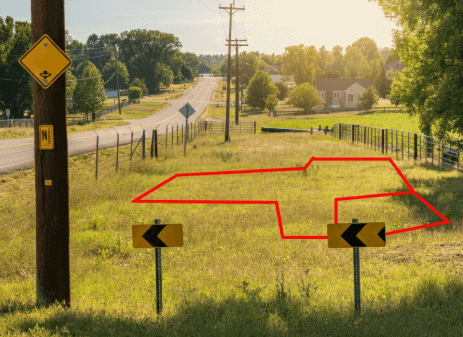
Easements don’t automatically “kill” value—but they can change what a buyer can do.
Potential impacts include:
- Reduced buildable area if the easement runs through the best building spot
- Restrictions on structures, wells, septic, fences, pools, or grading in the easement area
- Buyer concerns about access rights, maintenance responsibilities, and future disputes
- Appraisal and lender issues for certain easement types (especially if access is not clear)
Baker and Union counties in Florida contain extensive tracts of land under conservation easements, largely tied to long-standing timber company ownership and managed forestland.
Why Deals Fall Apart: What Buyers Want Confirmed
Before closing, most buyers want clear answers to:
- What type of easement is it?
- Who benefits from it?
- Where is it located? (survey / sketch / legal description)
- Does it affect building? (setbacks, well/septic placement, driveway placement)
- Is access legal and insurable? (if it’s an access easement)
If you can provide documentation early, you’ll reduce cancellations and renegotiations.
Documents That Help You Sell Faster
If you have them, these are helpful to gather:
- Survey (or boundary sketch)
- Recorded easement language (from title/public records)
- Title commitment (if available)
- Any county plats, HOA maps, or utility maps
- Photos of roads/driveways, gates, or visible utility corridors
If you don’t have everything, that’s fine—just disclose what you know and avoid guessing.
Can You Still Sell Land With Easements in Florida?
Yes. Many buyers are comfortable with easements as long as they understand:
- The easement’s purpose
- The exact location
- Any restrictions that affect their plans
The fastest route is usually pricing correctly and targeting the right buyer type—especially if the easement affects buildability or access.
Get a Cash Offer for Land With Easements in Florida
If your property has an easement and you want a simpler sale, we can review the parcel details, check the basics, and help you understand realistic options—without pressure.
Related Resource
Selling Land With Issues in Florida
This page is part of our broader resource on selling land with issues in Florida, which covers wetlands, zoning restrictions, protected wildlife, flood zones, failed perc tests, lack of access, missing utilities, and other factors that can affect land value and development. If your property has more than one issue, our main guide can help you better understand your options.
👇 Tell us about your property below
No obligation. No spam. Fast response.